5 Common Symptoms of Spinal Stenosis You Should Know
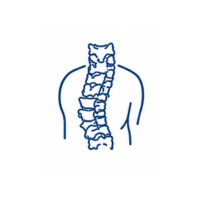
Spinal stenosis occurs when the spaces within the spine become narrower, which can put pressure on the spinal cord or nearby nerves. It most commonly affects the lower back (lumbar spine) or neck (cervical spine).
Some people have spinal stenosis without symptoms. Others may experience pain, numbness, weakness, or changes in walking and balance.
1. Back or Neck Pain
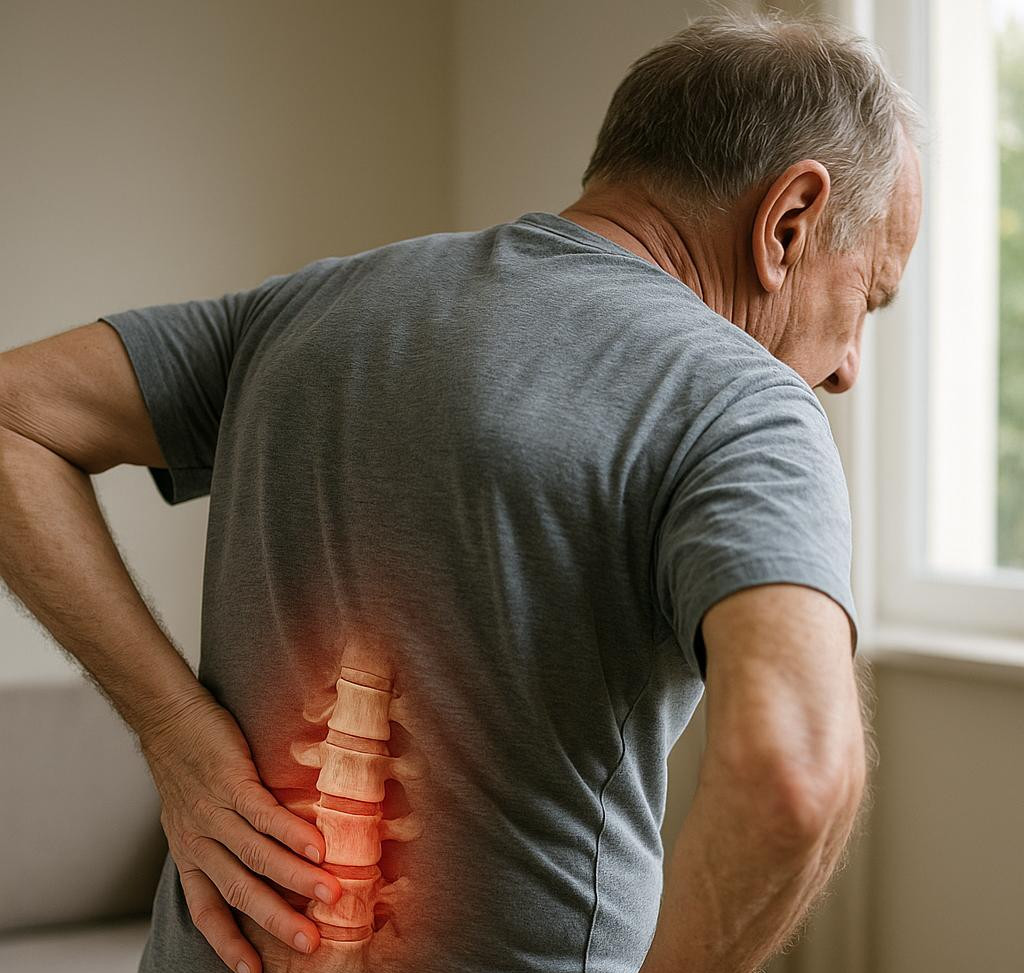
Back or neck pain can be a symptom of spinal stenosis, although it can also have many other causes.
With lumbar spinal stenosis, lower back discomfort may become more noticeable when standing or walking. Some people experience relief when sitting or leaning forward.
2. Leg Pain, Numbness or Tingling
Lumbar spinal stenosis can cause pain, numbness, tingling, cramping, or a heavy feeling in the buttocks or legs.
These symptoms may become worse with standing or walking and improve when sitting or bending forward.
3. Numbness or Tingling in the Arms or Hands
Cervical spinal stenosis can affect the nerves or spinal cord in the neck, potentially causing symptoms in the arms or hands.
These may include:
Numbness
Tingling or “pins and needles”
Weakness in the arms or hands
Difficulty with certain hand movements
When the spinal cord is affected, symptoms can also involve the legs or feet.

4. Muscle Weakness
Pressure on spinal nerves or the spinal cord can sometimes cause weakness.
Depending on where the stenosis occurs, weakness may affect the legs, feet, arms, or hands. Persistent or worsening weakness should be evaluated by a healthcare professional.
5. Difficulty Walking or Maintaining Balance
Changes in walking or balance can occur with cervical spinal stenosis when the spinal cord is affected.
Someone may notice:
Feeling unsteady while walking
Changes in coordination
Difficulty with balance
Trouble with certain fine-motor activities
Lumbar spinal stenosis can also make walking difficult when leg pain, numbness, or weakness becomes more noticeable with activity.
What Causes Spinal Stenosis?
Spinal stenosis is often associated with age-related changes in the spine, including arthritis, disc changes, bone spurs, and thickening of spinal ligaments.
Other factors, including a naturally narrow spinal canal, injuries, or other spinal conditions, can also contribute.
How Is Spinal Stenosis Diagnosed?
Symptoms alone cannot confirm spinal stenosis. A medical evaluation may include a review of your symptoms, a physical and neurological examination, and imaging such as an X-ray, MRI, or CT scan.

Imaging findings are considered along with symptoms and examination results to determine whether spinal narrowing is contributing to a person's symptoms.
Understanding Spinal Stenosis Symptoms
Spinal stenosis can affect people differently. Some may have spinal narrowing without symptoms, while others may experience pain, numbness, weakness, or changes in mobility.
If you are experiencing persistent symptoms that may be related to your spine, a medical evaluation can help identify the underlying cause and appropriate treatment options.
New or significant weakness, difficulty walking, or changes in bladder or bowel function should be evaluated promptly.
The Center for Brain and Spine
The Center for Brain and Spine provides specialized neurosurgical and regenerative care in Sarasota, Bradenton, and Ruskin, Florida. The practice evaluates a range of brain, spine, and nervous system conditions.
Sarasota Office
3534 Fruitville Road
Sarasota, FL 34237
941-893-2688
If you are considering whether a neurosurgical evaluation may be appropriate, contact the Center for Brain and Spine to learn more about the practice and its services.
This article is provided for general educational and informational purposes only. It is not intended to diagnose, treat, cure, or prevent any disease or condition, and it does not constitute medical advice. The information provided does not establish a physician-patient relationship. Individual medical conditions and treatment decisions vary, and readers should discuss questions about their health with a qualified healthcare professional. In the event of a medical emergency, seek emergency medical care.
Sources
National Institute of Arthritis and Musculoskeletal and Skin Diseases (NIAMS), Spinal Stenosis
National Institute of Arthritis and Musculoskeletal and Skin Diseases (NIAMS), Spinal Stenosis: Diagnosis, Treatment, and Steps to Take
Mayo Clinic, Spinal Stenosis: Symptoms and Causes


Comments